
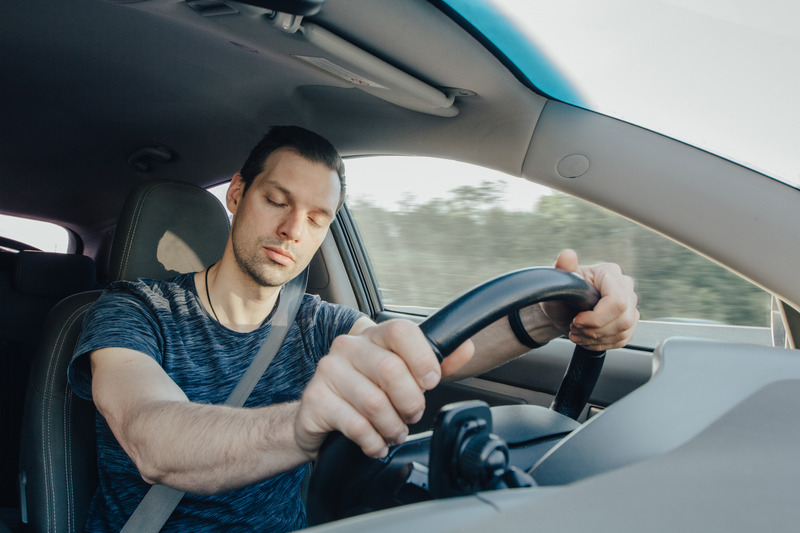
Most people understand that drunk driving is dangerous, but many don’t realize that drowsy driving can be just as risky. One common cause of severe daytime sleepiness is sleep apnea, a condition that often goes undiagnosed and untreated. If you suffer from a sleep disorder, it can leave you exhausted behind the wheel, even if you think you slept all night. Continue reading to learn common signs of drowsy driving and how you can stay safe.
What Is Sleep Apnea?
Sleep apnea is a disorder where your breathing briefly stops multiple times during the night. The most common type, obstructive sleep apnea, happens when your airway becomes partly or fully blocked.
When this happens, your brain briefly wakes you up to force you to breathe, often with a gasp or snore. What makes it so disruptive is that it can happen dozens of times each night. These micro-awakenings often go unnoticed by your conscious mind, but your body always remembers.
Warning Signs of Sleep Apnea to Watch For
Sleep apnea often goes unnoticed, but there are common red flags you can look for, like:
- Loud, frequent snoring
- Gasping or choking during sleep
- Waking up tired, even after a “full” night’s sleep
- Morning headaches or dry mouth
- Daytime sleepiness, especially while driving or at work
If you feel sleepy behind the wheel, especially in the morning or after a short drive, you should take these signs seriously and talk to your sleep dentist about diagnosis and treatment.
How Does Sleep Apnea Affect Driving?
Poor-quality sleep affects how your brain works on a chemical level. Someone with an untreated sleep disorder may:
- Struggle to stay awake while driving
- Have slower reaction times
- Drift between lanes
- Experience “microsleeps” that last a few seconds
Even one unattended moment can be enough to cause an accident, especially at highway speeds, so drowsy driving is something to be taken seriously.
How Your Dentist Can Help with Sleep Disorders
Most dentists aren’t equipped to diagnose sleep apnea, but some with advanced knowledge of sleep disorders can. Sleep dentists are trained to recognize symptoms of sleep apnea and can offer assessments and sleep tests.
After a proper diagnosis, your sleep dentist can offer treatments like CPAP machines or custom oral appliances that help keep your airway open as you sleep. Over time, these solutions can improve sleep quality, reduce snoring, and lower the risk of drowsy driving.
Treating sleep apnea is about more than rest—it’s about personal and public safety. When you’re alert behind the wheel, it protects everyone on the road. If you’ve ever felt drowsy on the road, talk to your sleep dentist today and take an important first step to recovery.
About the Practice
At SleepMed Solutions, our team focuses on diagnosing and treating sleep disorders that can affect your health, safety, and quality of life. By offering customized treatments like oral appliances, we help patients enjoy deeper rest, so they can confidently get back on the road. Call (336) 777-7082 to schedule a sleep apnea consultation with us or visit our website to explore other services.