Our team is here to answer any questions you might have about sleep apnea or the treatments we provide. Check out the FAQs below for helpful, easy-to-understand responses to some of the most common inquiries we’ve received from our patients.
Does Snoring Always Mean Someone Has Sleep Apnea?
Loud snoring and sleep apnea often go hand in hand. However, it’s important to keep in mind that not everyone who snores has sleep apnea. In order to determine whether you are experiencing sleep-disordered breathing, you will need to undergo sleep testing.
In general, snoring is likely to be a sign of sleep apnea if it’s accompanied by other symptoms associated with the disorder, such as excessive daytime sleepiness, morning headaches, and gasping for air while you’re asleep.
Is Sleep Apnea Life-Threatening?
It’s rare for sleep apnea to be the direct cause of death. Nevertheless, if it’s left untreated, it can lead to all sorts of life-threatening problems. People with sleep apnea tend to be more likely to experience dangerous cardiovascular issues, including heart attacks. Furthermore, a lack of quality sleep can increase your chances of getting into an accident on the road. In short, ignoring sleep apnea for too long can be dangerous, so it’s in your best interest to have it treated as soon as possible.
Will Insurance Help Pay for Sleep Apnea Treatment?
If you have a medical insurance plan, there’s a good chance that it offers some coverage for the diagnosis and treatment of sleep apnea. Every insurance plan is different, so it’s important to double-check your benefits before you begin the treatment process. Our team wants you to be able to get the most out of your benefits, which is why we’re happy to answer any insurance-related questions that you might have.
Should I Get an Oral Appliance or a CPAP Machine to Treat Sleep Apnea?
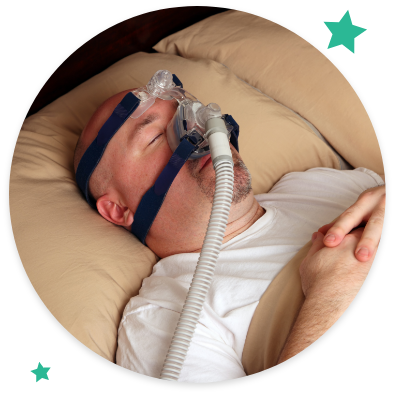
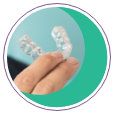
The type of sleep apnea treatment that’s right for you depends on the specifics of your case. An oral appliance can be an excellent choice for patients who have mild to moderate sleep apnea and want a quieter, more comfortable alternative to a CPAP machine. But if your sleep-disordered breathing is particularly severe, CPAP may be the more effective option.
In some cases, our sleep apnea experts in Greensboro may recommend combined sleep apnea treatment, which utilizes a CPAP machine along with an oral appliance. Many patients find this approach more comfortable than CPAP alone because it allows them to use their machine at a lower setting.
Will My Sleep Apnea Go Away If I Lose Weight?
Being overweight can be a significant risk factor for sleep apnea. As such, losing a few pounds can often go a long way toward improving the quality of your sleep. That said, there’s no guarantee that losing weight will make your sleep apnea go away completely. A sleep study will need to be performed to see if sleep apnea is still present following weight loss.