Did you know that an estimated 30 million people in the United States have sleep apnea? This nighttime disorder occurs when your breathing repeatedly stops and restarts while you’re snoozing, which interrupts your body’s sleep cycles and prevents true rest and recovery.
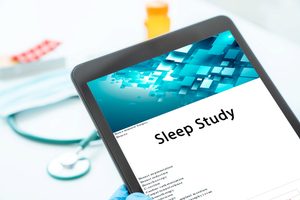
Many sleep dentists offer options, like CPAP (continuous positive airway pressure) machines or oral appliances to correct your jaw’s alignment, to treat your condition and reduce associated symptoms. But before they can provide solutions, you must complete an official sleep test to diagnose the disorder. Continue reading to learn about 3 ways to prepare for this assessment!
Tip #1: Follow Provided Instructions
Some sleep studies use special machines at home, while others require you to drift off in a designated lab or clinic. Regardless of the testing method, your dentist or doctor will give you specific directions so you know what to expect and can prepare accordingly.
For instance, they might instruct you to take your usual prescription medications as planned, wear your most comfortable pajamas, use your favorite pillow, and bring any toiletry items that you use regularly before bed or when waking up the next morning. The more you stick to your usual routine, the more accurate your sleep test results will be.
Tip #2: Avoid Drinking Alcohol or Caffeine
Many people rely on coffee or tea to help them get up and moving in the morning. But if you also enjoy an afternoon brew to get through the evening, you may have a harder time falling or staying asleep at night, which can be especially detrimental to sleep assessment results.
You might think drinking alcohol can help you nod off more easily if it helps you relax, but it might wake you up once your body starts to metabolize it. For example, it acts as a diuretic, so you may be more likely to wake up in the middle of the night to use the restroom. It can also overly relax the throat muscles, increasing the likelihood of snoring and restricted airways that interrupt your rest.
Tip #3: Skip Naps for the Day
Another way to improve the accuracy of your assessment is to skip daytime naps, unless your study specifically includes and accounts for them. This can be challenging for some patients because sleep apnea often causes excessive exhaustion that a quick snooze can alleviate. Although power naps may be acceptable under normal circumstances, they can make it harder to fall asleep at night or in the lab on the day of your testing.
If you suspect you have sleep apnea and need an official diagnosis, you can contact your sleep dentist to learn more about how they assess and treat this condition!
About the Practice
Patients at SleepMed Solutions benefit from a team of experts committed to diagnosing and treating nighttime disorders to improve their quality of rest. With medical and dental experts in the office, they take a whole-body approach to improve your condition and prevent associated oral and health issues. Then, they devise customized treatment plans to reduce symptoms and improve your daily life. You can request an appointment on the website or call (336) 907- 7773.