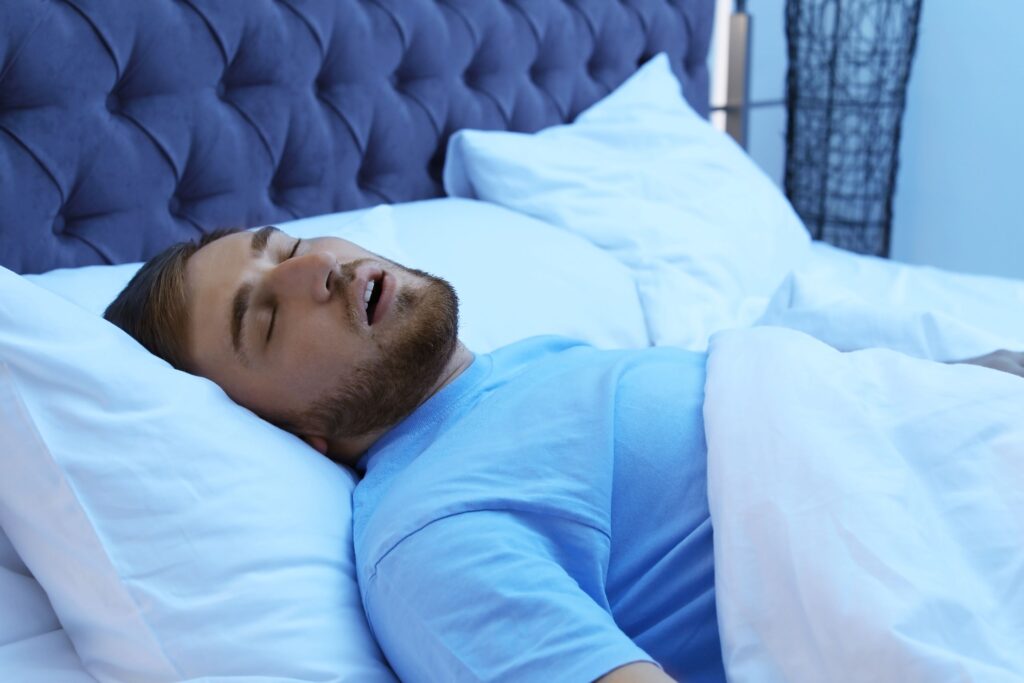
Did you know sources estimate that approximately 30 million U.S. Americans suffer from obstructive sleep apnea, the most common type of this disorder? Blocked airways can interrupt your breathing at night, which in turn prevents your system from completing the circadian cycles necessary for true rest and rejuvenation.
Unfortunately, your ‘sleep debt, or lack of z’s, can add up over time and contribute to different health concerns, such as daytime exhaustion, mood swings, morning headaches, ‘brain fog’, and even increased risk of heart disease and stroke. Continue reading to learn more about why this happens and how to reduce symptoms!
What is Sleep Debt?
Everyone’s body is unique, so you might not require the same exact amount of sleep as someone else, but generally, most adults should aim for getting between 7 to 9 hours of quality z’s at night to maintain optimal health. Unfortunately, according to data from 160,00 Sleep Foundation profiles, an estimated two-thirds of respondents have experienced poor sleep for months to years.
The amount of rest you’re not getting can add up quickly and affect your general well-being in several ways. This deficit, or debt, can accumulate over time, increasing the risk of developing more serious health conditions, like immune dysfunction, metabolic dysregulation, poor memory and cognitive functions, hypertension, diabetes, and heart problems.
How Long Does it Take to Catch Up on Sleep?
Getting regular sleep is important because it can take time to correct any accumulated debt. For instance, a recent study investigating how long it takes people to bounce back from sleep deprivation found that 1 week of recovery sleep after 10 days of poor rest was insufficient to restore normal cognitive function.
That means even short-term changes to your sleeping patterns can potentially negatively affect your health. Not only that, but missing any amount of sleep, whether it’s 30 minutes or 3 hours, can add up and lead to more significant impairments over time.
How Can I Get More Sleep at Night?
If you frequently wake up at night, snore, and feel more drained in the morning than when you went to bed the evening prior, you might have developed a problem. Thankfully, many sleep dentists offer testing to diagnose this condition and then provide a customized treatment plan to help address your symptoms and improve your rest. Options like CPAP therapy, oral appliances, and different stretches can all be effective methods of treating the underlying issue.
If you’re unsure whether your sleep debt is due to sleep apnea, you can learn more by scheduling a consultation with your dentist!
About the Practice
Patients at SleepMed Solutions benefit from two experts who are passionate about improving their lives by helping them get better rest at night. Dr. Jack Bagley, a Physician Assistant with two decades of experience, collaborates with Dr. Sall, a medical director and oral surgeon, to provide testing and treatment for sleep apnea and related symptoms. Their expertise is combined with a compassionate approach and advanced technology to deliver customized services to meet your unique needs. You can request an appointment on the website or call (336) 907-7773.